2026 Digital Citizenship Guide: Online Ethics for US Young Adults

Anúncios
The 2026 Guide to Digital Citizenship provides U.S. young adults with six core principles essential for navigating the complex online world ethically, ensuring responsible and positive digital interactions and fostering a safer internet environment.
As the digital landscape continues its rapid evolution, understanding and practicing ethical online behavior is more critical than ever. This comprehensive 2026 Guide to Digital Citizenship is designed specifically for U.S. young adults, offering foundational principles to navigate the complexities of the internet with responsibility and integrity.
Anúncios
Understanding digital citizenship in 2026
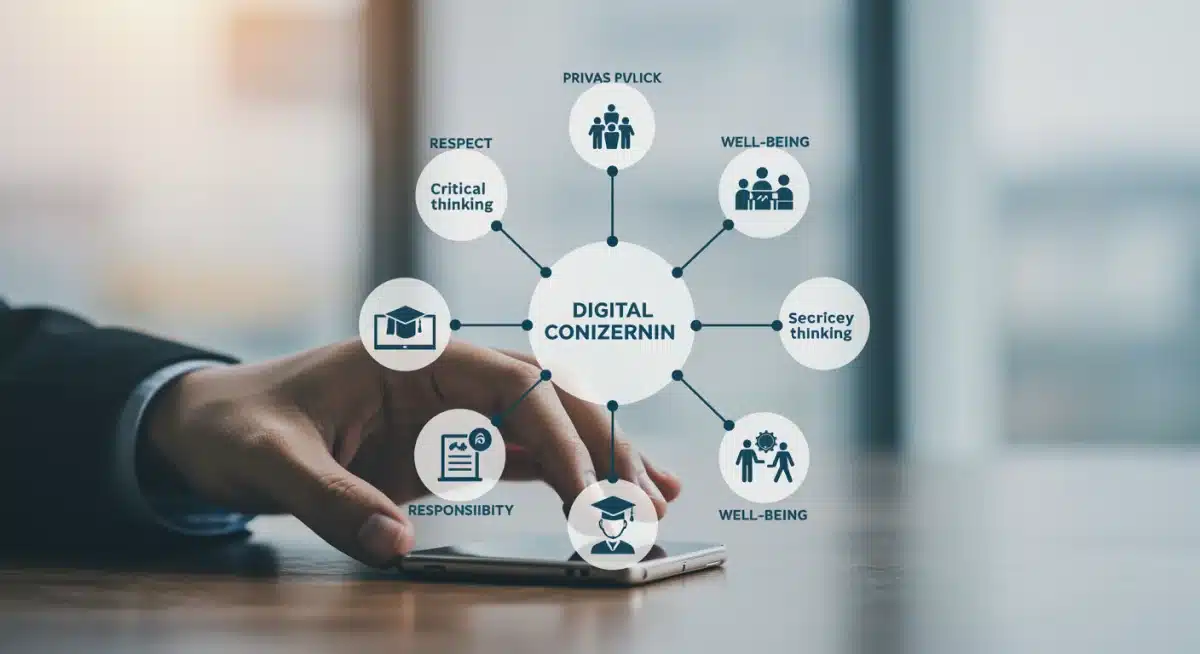
Digital citizenship in 2026 extends beyond mere online presence; it encompasses the responsible, ethical, and safe use of technology in all aspects of life. For young adults in the U.S., this means understanding their rights and responsibilities in digital spaces, recognizing the impact of their online actions, and actively contributing to a positive digital society. It’s about cultivating a mindset that values respect, privacy, and critical engagement.
The digital world is a powerful tool for connection, learning, and innovation, but it also presents unique challenges. From combating misinformation to protecting personal data, the skills of a good digital citizen are indispensable. This foundational understanding sets the stage for developing habits that promote well-being and success both online and offline.
Anúncios
The evolving digital landscape
The speed at which technology advances demands continuous adaptation. What was considered good practice a few years ago might be outdated today. Young adults must stay informed about new platforms, emerging threats, and evolving social norms to remain effective digital citizens. This proactive approach ensures they are always equipped to make informed decisions.
- Staying updated on privacy settings across platforms.
- Recognizing the signs of sophisticated phishing attempts.
- Understanding the implications of AI in content creation and consumption.
- Adapting communication styles for different digital audiences.
Ultimately, understanding digital citizenship in 2026 is about empowering young adults to harness the immense potential of the internet while mitigating its risks. It’s a dynamic concept that encourages continuous learning and thoughtful engagement, forming the bedrock of a healthy digital life.
Principle 1: Respect and empathy online
Respect and empathy form the cornerstone of any healthy community, and the digital realm is no exception. For U.S. young adults, practicing this principle means treating others online with the same consideration and kindness they would in face-to-face interactions. It involves understanding that behind every screen name is a real person with feelings and experiences.
Cyberbullying, hate speech, and online harassment are prevalent issues that underscore the critical need for greater empathy. By actively choosing to be respectful, young adults can help foster a more inclusive and supportive online environment, challenging negative behaviors and promoting positive interactions.
Cultivating a positive digital footprint
Every comment, post, and share contributes to one’s digital footprint. A positive digital footprint is not just about avoiding negativity, but actively contributing to discussions in a constructive and thoughtful manner. This involves thinking before posting and considering the potential impact of words on others.
- Pausing before sharing emotionally charged content.
- Responding to disagreements with civility and understanding.
- Using inclusive language that respects diverse backgrounds.
- Offering support and encouragement to peers online.
Empathy online also means recognizing and addressing unconscious biases. It encourages young adults to seek out diverse perspectives and engage in meaningful dialogue, enriching their own understanding while contributing to a more tolerant internet. This principle is vital for building a digital world where everyone feels safe and valued.
Principle 2: Privacy and data literacy
In an age where personal data is a valuable commodity, understanding privacy and cultivating data literacy are non-negotiable skills for U.S. young adults. This principle emphasizes the importance of protecting one’s own information while also respecting the privacy of others. It involves a deep understanding of how data is collected, used, and shared by various online platforms.
Many young adults are unaware of the full extent to which their online activities are tracked, or the implications of sharing too much personal information. Data literacy empowers them to make informed decisions about their digital presence, safeguarding themselves against potential misuse of their data and protecting their digital identity.
Managing your digital identity
Your digital identity is comprised of all the information about you that exists online. Effectively managing this identity requires proactive steps, from configuring privacy settings on social media to being judicious about what personal details are shared on public forums. It’s about maintaining control over one’s narrative in the digital space.
Understanding terms of service and privacy policies, though often lengthy, is crucial. These documents detail how platforms handle user data, and while they can be complex, knowing the basics can prevent unwanted data sharing. Young adults should also be aware of the permanence of online information and its potential future impact.
Ultimately, privacy and data literacy are about intelligent self-preservation in the digital age. By mastering these skills, young adults can navigate the internet with greater confidence, knowing they are proactively protecting their personal information and respecting the digital boundaries of others.
Principle 3: Critical thinking and media literacy
The sheer volume of information available online makes critical thinking and media literacy indispensable skills for U.S. young adults in 2026. This principle focuses on the ability to evaluate online content for accuracy, credibility, and bias. In an era of deepfakes and sophisticated disinformation campaigns, distinguishing fact from fiction is paramount.
Developing media literacy means more than just questioning headlines; it involves understanding the motivations behind content creation, recognizing manipulative tactics, and seeking out diverse sources to form well-rounded opinions. It empowers young adults to be informed consumers of information rather than passive recipients.
Navigating misinformation and disinformation
The spread of misinformation (unintentionally false information) and disinformation (intentionally false information) poses significant challenges. Young adults must learn to identify red flags, such as sensational headlines, lack of credible sources, or emotionally charged language, that often accompany misleading content.
- Cross-referencing information with multiple reputable sources.
- Checking the author’s credentials and potential biases.
- Examining the publication date to ensure currency.
- Using fact-checking websites and tools.
Critical thinking also extends to understanding algorithms and how they shape the information we see. Recognizing that algorithms often prioritize engagement over accuracy helps young adults break free from echo chambers and expose themselves to a broader range of ideas. This principle is fundamental for informed decision-making and active participation in a democratic society.
Principle 4: Digital security and well-being
Digital security and well-being are two sides of the same coin, both crucial for a healthy online experience for U.S. young adults. Security involves protecting devices and data from threats, while well-being addresses the psychological and emotional impact of digital engagement. This principle advocates for practices that ensure both physical and mental safety in the digital world.
From strong passwords to understanding the risks of oversharing, basic security measures are essential. Simultaneously, recognizing the signs of digital overload, screen addiction, and the pressures of online comparison are vital for maintaining mental health. Balancing online engagement with real-world activities is a key component of digital well-being.
Protecting your digital assets
Safeguarding digital assets goes beyond just antivirus software. It encompasses a holistic approach to security, including:
- Using unique, strong passwords and multi-factor authentication.
- Being cautious about clicking on suspicious links or downloading unknown files.
- Regularly backing up important data.
- Understanding the risks of public Wi-Fi networks.
For well-being, young adults should actively manage their screen time, set boundaries for digital interactions, and cultivate a sense of self-awareness regarding how online activities affect their mood and productivity. Recognizing when to disconnect and engage in offline pursuits is just as important as knowing how to connect effectively.
Principle 5: Digital etiquette and responsible communication
Digital etiquette, often referred to as ‘netiquette,’ and responsible communication are fundamental for fostering positive interactions online. For U.S. young adults, this principle means understanding the unspoken rules of digital communication and applying them with mindfulness and consideration. It’s about communicating clearly, respectfully, and effectively across various platforms.
The nuances of online communication can be tricky; tone can be easily misinterpreted, and brevity can sometimes lead to misunderstandings. Practicing responsible communication involves taking the time to craft messages thoughtfully, considering the audience, and being aware of the potential for misinterpretation.
Mastering online communication
Effective online communication involves more than just typing. It requires an understanding of different platforms’ conventions and a commitment to respectful engagement. This includes:
- Avoiding all-caps, which can be perceived as shouting.
- Using appropriate emojis and punctuation to convey tone.
- Refraining from engaging in arguments or ‘flame wars.’
- Proofreading messages before sending them to ensure clarity.
Responsible communication also means being mindful of the permanence of online content. What is said or posted can remain accessible indefinitely, impacting future opportunities or relationships. Young adults should consider the long-term implications of their digital interactions, ensuring their online persona reflects their best self. This principle helps build trust and understanding in the interconnected digital world.
Principle 6: Digital access and inclusion
The principle of digital access and inclusion highlights the importance of ensuring that everyone has the opportunity to participate fully in the digital world, regardless of their background or circumstances. For U.S. young adults, this means not only having access to technology themselves but also advocating for equitable access for others and understanding the digital divide.
A significant portion of the population still lacks reliable internet access or the necessary digital literacy skills. Digital citizens should recognize these disparities and work towards solutions that bridge the gap, promoting an internet that is truly accessible and beneficial to all. This involves understanding the societal impact of digital exclusion.
Advocating for digital equity
Advocating for digital equity means actively supporting initiatives that provide technology, internet access, and digital education to underserved communities. It’s about recognizing that digital literacy is no longer a luxury but a fundamental right in modern society. Young adults, as digital natives, are uniquely positioned to champion these causes.
This principle also encourages the creation of accessible digital content and platforms. Developers and content creators should strive to design experiences that are usable by individuals with disabilities, ensuring that the digital world is inclusive for everyone. Understanding universal design principles is a crucial aspect of this advocacy.
By embracing digital access and inclusion, young adults contribute to a more just and equitable digital society. They recognize that the full potential of the internet can only be realized when everyone has the means and skills to participate, fostering a truly interconnected and supportive global community.
| Key Principle | Brief Description |
|---|---|
| Respect & Empathy | Treat others online with kindness and understanding, fostering positive interactions. |
| Privacy & Data Literacy | Protect personal data and respect others’ privacy, understanding data collection. |
| Critical Thinking & Media Literacy | Evaluate online information for accuracy, credibility, and bias to combat misinformation. |
| Digital Security & Well-being | Secure devices and data while managing screen time for mental and emotional health. |
Frequently asked questions about digital citizenship
Digital citizenship for U.S. young adults involves the responsible, ethical, and safe use of technology. It encompasses understanding online rights and responsibilities, recognizing the impact of digital actions, and contributing positively to the online community, ensuring a secure and respectful digital experience for all.
Digital empathy is crucial in 2026 to counter cyberbullying, hate speech, and online harassment. It encourages young adults to treat others with kindness and respect online, fostering inclusive and supportive digital environments. This principle helps build a positive and understanding internet community for everyone.
Young adults can protect online privacy by managing privacy settings, being cautious about shared personal details, and understanding data collection practices. Regularly reviewing terms of service, creating strong, unique passwords, and being aware of the permanence of online information are also vital steps.
Media literacy for digital citizens involves critically evaluating online content for accuracy, credibility, and bias. It means identifying misinformation, understanding content motivations, and seeking diverse sources. This skill empowers young adults to make informed decisions and avoid falling victim to disinformation campaigns.
Digital inclusion is a key principle because it ensures equitable access to technology and digital literacy for everyone. It addresses the digital divide, advocating for resources and education in underserved communities. This fosters a truly interconnected and beneficial digital world where all can participate fully.
Conclusion
The journey through the digital landscape in 2026 demands more than just technical proficiency; it requires a deep commitment to ethical conduct and responsible engagement. For U.S. young adults, embracing the six principles of digital citizenship outlined in this guide – respect and empathy, privacy and data literacy, critical thinking and media literacy, digital security and well-being, digital etiquette and responsible communication, and digital access and inclusion – is not merely about avoiding pitfalls. It is about actively shaping a positive, productive, and inclusive online world. By integrating these principles into their daily digital lives, young adults can become exemplary digital citizens, contributing to a safer internet for themselves and for future generations.