Optimizing Newsletter Deliverability in the US: Avoid Spam Filters 2026
Anúncios
Optimizing newsletter deliverability in the US by 2026 is crucial for marketers, demanding proactive strategies to navigate increasingly sophisticated spam filters and ensure messages reach their intended audiences effectively.
Anúncios
Are your carefully crafted newsletters consistently landing in spam folders instead of inboxes? In the dynamic digital landscape of 2026, mastering optimizing newsletter deliverability in the US is more critical than ever. We’ll explore seven expert tips to help you bypass those pesky spam filters and ensure your valuable content reaches your subscribers.
Understanding the Evolving Spam Landscape in 2026
The year 2026 presents a more complex challenge for email marketers in the US. Spam filters are no longer simplistic keyword detectors; they leverage advanced AI and machine learning to analyze sender reputation, engagement metrics, content relevance, and even user behavior patterns. Understanding these evolving mechanisms is the first step toward successful deliverability.
Anúncios
Email service providers (ESPs) and internet service providers (ISPs) like Gmail, Outlook, and Yahoo are continuously refining their algorithms. Their primary goal is to protect users from unwanted mail, which means legitimate senders must adapt quickly to avoid being caught in the crossfire. This proactive approach ensures your email marketing efforts aren’t wasted.
The Shift Towards User Engagement Metrics
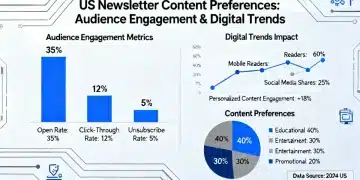
One significant trend in 2026 is the heightened emphasis on user engagement. Filters now closely monitor how subscribers interact with your emails. High open rates, click-through rates, and low unsubscribe or spam complaint rates signal to ISPs that your emails are valued, thereby improving your sender reputation.
- Open Rates: A key indicator of subscriber interest and subject line effectiveness.
- Click-Through Rates (CTR): Demonstrates content relevance and call-to-action strength.
- Time Spent: How long subscribers engage with your email content.
- Forwarding/Replying: Strong signs of genuine interest and content value.
Conversely, low engagement metrics can trigger red flags. If emails are consistently ignored, deleted without opening, or marked as spam, it negatively impacts your sender score, making future deliverability more challenging. It’s a continuous feedback loop that marketers must actively manage.
Staying ahead of these changes requires a commitment to quality and relevance. Generic, mass-produced emails are increasingly ineffective. Personalization and segmentation, discussed in later sections, become indispensable tools for fostering the engagement necessary to navigate 2026’s spam landscape successfully.
Tip 1: Implement Robust Email Authentication Protocols
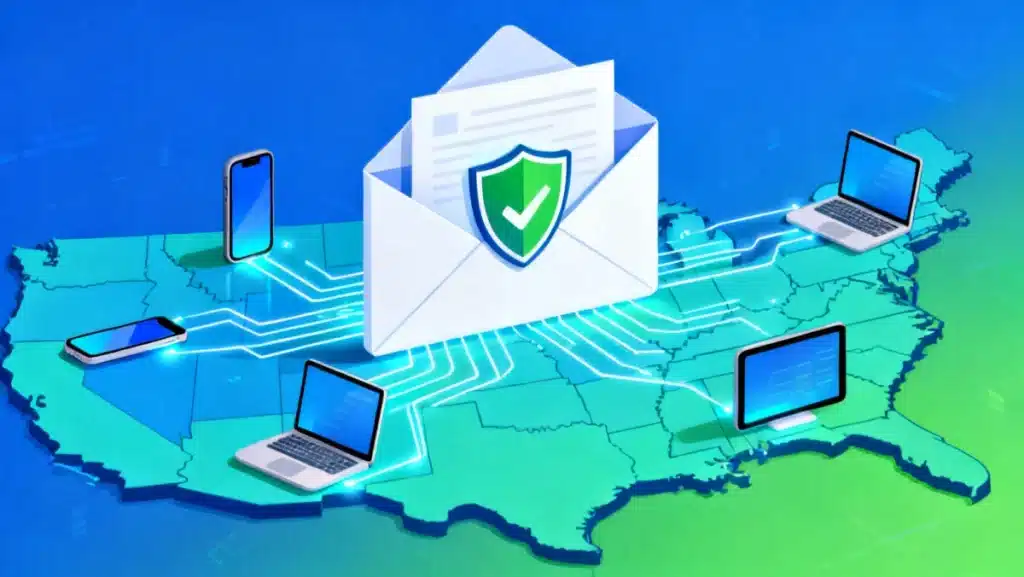
Email authentication is the bedrock of good deliverability, and its importance has only grown by 2026. Without proper authentication, ISPs cannot verify that you are who you claim to be, making your emails highly susceptible to being flagged as spam or phishing attempts. This is a non-negotiable step for any serious email sender.
Authentication protocols act as digital signatures, assuring receiving servers that the email originated from an authorized domain. Skipping these crucial configurations is akin to sending mail without a return address – it immediately raises suspicion and reduces trust.
Key Authentication Methods for 2026
There are three primary authentication methods you must implement to secure your email sending and improve deliverability:
- SPF (Sender Policy Framework): This record specifies which mail servers are authorized to send email on behalf of your domain. It helps prevent spammers from forging your ‘From’ address.
- DKIM (DomainKeys Identified Mail): DKIM adds a digital signature to your outgoing emails, allowing the receiving server to verify that the email content hasn’t been tampered with during transit.
- DMARC (Domain-based Message Authentication, Reporting & Conformance): DMARC builds on SPF and DKIM, providing instructions to receiving servers on how to handle emails that fail authentication. It also provides valuable reports on unauthorized email sending using your domain.
Implementing these protocols correctly requires collaboration with your IT team or email service provider. It’s not a set-it-and-forget-it task; regular monitoring and adjustment of your DMARC policy, in particular, are vital to ensure ongoing protection and deliverability. By 2026, a strong DMARC policy with a ‘quarantine’ or ‘reject’ action is increasingly expected by major ISPs.
Proper authentication significantly boosts your sender reputation. When ISPs can trust the origin of your emails, they are far more likely to deliver them to the inbox, rather than diverting them to spam folders. This foundational step is essential for any strategy aimed at optimizing newsletter deliverability in the US.
Tip 2: Maintain a Clean and Engaged Subscriber List
One of the most impactful strategies for optimizing newsletter deliverability in the US in 2026 is maintaining a meticulously clean and highly engaged subscriber list. Sending emails to inactive or invalid addresses not only wastes resources but also severely damages your sender reputation, signaling to ISPs that you might be a spammer.
A healthy list consists of subscribers who genuinely want to receive your content and actively engage with it. Conversely, a list riddled with unengaged users, spam traps, or outdated addresses becomes a liability, dragging down your deliverability rates across the board.
Strategies for List Hygiene and Engagement
Regular list maintenance is paramount. This involves a multi-pronged approach:
- Regular Purges of Inactive Subscribers: Identify and remove subscribers who haven’t opened or clicked your emails in a significant period (e.g., 6-12 months). Before removal, consider a re-engagement campaign.
- Implement Double Opt-in: This ensures that every subscriber explicitly confirms their subscription, verifying their email address and confirming their intent to receive your communications. It significantly reduces the chances of spam complaints and invalid addresses.
- Monitor Bounce Rates: High hard bounce rates (emails to non-existent addresses) are a major red flag. Your ESP should automatically suppress these, but regularly review and ensure they are being handled effectively.
- Identify and Remove Spam Traps: These are email addresses specifically designed by ISPs to catch spammers. Sending to a spam trap instantly blacklists you. While hard to detect manually, good list hygiene and double opt-in reduce the risk.
An engaged list sends positive signals to ISPs, indicating that your content is valued and desired. This proactive approach to list management not only improves deliverability but also ensures your marketing efforts are focused on your most receptive audience, leading to better ROI.
By prioritizing a clean and engaged list, you actively demonstrate responsible email sending practices. This commitment to quality subscribers helps build and maintain a strong sender reputation, a critical factor for successful email campaigns in 2026 and beyond.
Tip 3: Optimize Content for Readability and Value
Beyond technical configurations, the content of your newsletters plays a pivotal role in deliverability. By 2026, spam filters are highly sophisticated in evaluating email content for relevance, quality, and potential malicious intent. Emails that are difficult to read, contain suspicious elements, or provide little value are more likely to be filtered.
Your goal should always be to provide value to your subscribers in a clear, concise, and professional manner. This not only improves engagement but also sends positive signals to spam filters that your email is legitimate and desired.
Crafting Deliverable Content
Several content optimization strategies can significantly improve your chances of inbox placement:
- Clear and Concise Subject Lines: Avoid all caps, excessive punctuation, and spammy keywords. Focus on conveying immediate value or sparking curiosity honestly. Personalization can also boost open rates.
- Balanced Text-to-Image Ratio: Emails that are overly image-heavy with minimal text can trigger spam filters. Aim for a healthy balance, ensuring your core message is still conveyed even if images don’t load.
- Avoid Spammy Keywords and Phrases: While filters are smarter than just keyword matching, certain phrases (e.g., ‘free money,’ ‘act now,’ ‘guaranteed’) still carry negative connotations. Use them sparingly, if at all.
- Clean HTML Code: Poorly coded HTML, especially from copy-pasting from word processors, can look suspicious to filters. Use clean, well-structured HTML provided by your ESP’s templates.
Furthermore, ensure your content is genuinely valuable to your audience. Personalized content, relevant offers, and informative articles are far more likely to be opened, read, and engaged with, which in turn reinforces your sender reputation. Providing consistent value builds trust with both your subscribers and the ISPs.
Ultimately, high-quality, relevant content is the best defense against spam filters. When your subscribers consistently find value in your newsletters, their positive engagement signals will outweigh any minor algorithmic concerns, contributing significantly to optimizing newsletter deliverability in the US.
Tip 4: Monitor and Manage Your Sender Reputation
Your sender reputation is arguably the single most critical factor influencing deliverability in 2026. It’s a score assigned to your sending IP address and domain by ISPs, reflecting your trustworthiness as an email sender. A high reputation means your emails are likely to land in the inbox; a low one means they’re destined for the spam folder.
This reputation is built over time based on numerous factors, including bounce rates, spam complaint rates, engagement metrics, and whether you’re on any blacklists. Proactive monitoring and management are essential to maintain a healthy score.
Tools and Practices for Reputation Management
Effectively managing your sender reputation involves several key practices:
- Utilize Postmaster Tools: Services like Google Postmaster Tools and Outlook.com Postmaster provide invaluable data on your sender reputation, deliverability errors, spam reports, and more. Regularly check these dashboards.
- Keep Spam Complaints Low: Aim for a spam complaint rate below 0.1%. Even a small number of complaints can severely damage your reputation. Ensure your unsubscribe link is clear and easy to find.
- Avoid Blacklists: Routinely check if your IP address or domain has been blacklisted by major anti-spam organizations. If you find yourself on a blacklist, take immediate action to resolve the issue and request delisting.
- Consistent Sending Volume: Avoid sudden, large spikes in email volume, especially from a new IP address. Gradually warm up new IPs to build a reputation.
A good sender reputation is your passport to the inbox. It’s a continuous process of proving your legitimacy and value to ISPs. Neglecting this aspect will inevitably lead to declining deliverability, regardless of your other efforts. Therefore, diligent monitoring and swift action to address any issues are fundamental for optimizing newsletter deliverability in the US.
Tip 5: Personalize and Segment Your Campaigns
Generic, one-size-fits-all newsletters are increasingly ineffective and detrimental to deliverability in 2026. Personalization and segmentation are no longer optional features; they are crucial strategies for fostering engagement, reducing spam complaints, and ultimately, improving inbox placement. When emails are relevant to the recipient, they are more likely to be opened and acted upon.
Spam filters, powered by AI, are becoming adept at identifying mass emails that lack specific targeting. They prioritize content that appears tailored to the individual, recognizing that such emails are generally more valuable and less likely to be unsolicited.
Implementing Effective Personalization and Segmentation
To maximize the impact of your campaigns and boost deliverability:
- Collect Relevant Data: Gather information beyond just email addresses. This could include demographics, past purchase history, content preferences, geographical location, and engagement with previous emails.
- Segment Your Audience: Divide your subscriber list into smaller, more homogeneous groups based on shared characteristics or behaviors. Examples include new subscribers, loyal customers, those interested in specific product categories, or those who haven’t opened an email in a while.
- Personalize Content: Use dynamic content to tailor sections of your email to individual segments. This goes beyond just using their first name; it means recommending products they’ve viewed, sending articles on topics they’ve expressed interest in, or offering location-specific deals.
- Behavior-Triggered Emails: Implement automated emails based on specific actions (or inactions), such as welcome series, abandoned cart reminders, or birthday greetings. These timely and relevant messages have high engagement rates.
By sending highly targeted and personalized content, you significantly increase the likelihood of opens, clicks, and positive engagement. This not only delights your subscribers but also sends strong positive signals to ISPs, demonstrating that your emails are valued and not spam. This strategy is indispensable for optimizing newsletter deliverability in the US.
Tip 6: Optimize for Mobile-First Experience
In 2026, a significant portion of email opens occurs on mobile devices. If your newsletters are not optimized for a mobile-first experience, you risk disengaging subscribers, leading to lower open rates, higher delete rates, and ultimately, a negative impact on your deliverability. ISPs interpret poor mobile engagement as a sign of low-quality content.
A seamless mobile experience is crucial for maintaining subscriber satisfaction and ensuring your emails are consumed as intended. Clunky designs, tiny text, or horizontally scrolling content will quickly frustrate users and lead to them ignoring or even unsubscribing from your list.
Ensuring Mobile Responsiveness
To guarantee your newsletters shine on smaller screens:
- Responsive Design: Always use responsive email templates that automatically adjust layout, image sizes, and text to fit the screen size of the device. Most modern ESPs offer these templates by default.
- Concise Content: Mobile users often scan rather than read. Keep your paragraphs short, use bullet points, and get straight to the point.
- Large, Readable Fonts: Ensure your font sizes are adequate for mobile viewing. Avoid overly small or decorative fonts that are difficult to decipher on a small screen.
- Clear Calls-to-Action (CTAs): Make your buttons and links large enough to be easily tapped with a thumb, and ensure they are clearly visible and appropriately spaced.
- Optimize Images: Compress images to ensure fast loading times on mobile networks. Large images can deter users and negatively impact engagement.
Testing your emails across various mobile devices and email clients before sending is also vital. Most ESPs offer preview functions that simulate how your email will appear on different devices. Prioritizing the mobile experience not only enhances user satisfaction but also contributes positively to your engagement metrics, which are key for optimizing newsletter deliverability in the US.
Tip 7: Regularly Test and Analyze Deliverability Metrics
The landscape of email deliverability is constantly shifting, especially as we approach 2026. What worked last year might not work today. Therefore, continuous testing, monitoring, and analysis of your deliverability metrics are not just good practices, but essential for sustained success. Relying on assumptions without data is a recipe for landing in the spam folder.
This proactive approach allows you to identify potential issues early, adapt your strategies, and ensure your efforts to reach your audience remain effective. Without data, you are essentially flying blind.
Key Metrics to Monitor and Tools for Analysis
To keep your finger on the pulse of your deliverability, focus on these critical areas:
- Delivery Rate: The percentage of emails that successfully reach a subscriber’s server. Differentiate between hard and soft bounces.
- Inbox Placement Rate: The ultimate metric – what percentage of your delivered emails actually land in the primary inbox, not spam or promotions folders.
- Open Rate and Click-Through Rate (CTR): As discussed, these are crucial engagement signals for ISPs. Track them over time and by segment.
- Spam Complaint Rate: Keep this as close to zero as possible. Any significant spike warrants immediate investigation.
- Unsubscribe Rate: While some unsubscribes are normal, a high rate suggests content irrelevance or sending too frequently.
Utilize your email service provider’s analytics, as well as third-party deliverability tools and seed list testing services, to get a comprehensive view of how your emails are performing across different ISPs. These tools can often highlight specific content or sending patterns that are triggering spam filters.
By consistently testing different subject lines, content formats, sending times, and segmentations, you can refine your approach and continuously improve your inbox placement. This data-driven strategy is the most reliable way to stay ahead in the complex world of optimizing newsletter deliverability in the US by 2026.
| Key Deliverability Factor | Brief Description |
|---|---|
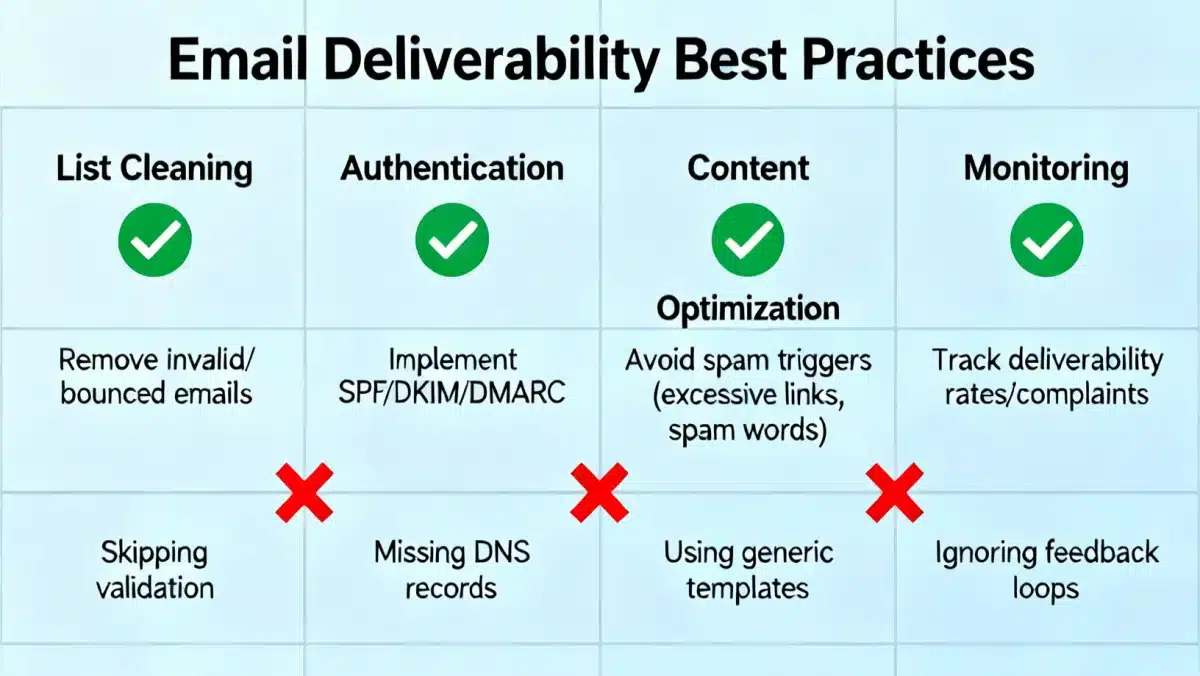
| Email Authentication | Implement SPF, DKIM, and DMARC to verify sender identity and prevent spoofing. |
| List Hygiene | Regularly clean inactive subscribers and use double opt-in to maintain an engaged list. |
| Content Optimization | Craft relevant, readable content with balanced text/image ratios and avoid spam triggers. |
| Sender Reputation | Monitor postmaster tools and minimize spam complaints to maintain a high trust score. |
Frequently Asked Questions About Newsletter Deliverability
Sender reputation is paramount. ISPs heavily weigh your domain and IP’s trustworthiness, which is built on consistent positive engagement, low bounce rates, and minimal spam complaints. Strong authentication like DMARC also significantly contributes to a positive reputation.
It’s recommended to clean your email list at least once every 6 to 12 months. This involves identifying and removing inactive subscribers or those who haven’t engaged with your emails. Regular cleaning prevents sending to spam traps and improves overall list health.
Absolutely. Spam filters analyze content for suspicious keywords, poor HTML, and unbalanced text-to-image ratios. High-quality, relevant, and engaging content with a clear call to action is less likely to be flagged and more likely to foster positive subscriber interaction.
DMARC (Domain-based Message Authentication, Reporting & Conformance) is an email authentication protocol that builds on SPF and DKIM. It tells receiving servers how to handle emails that fail authentication and provides valuable reports, crucial for preventing spoofing and improving trust.
Yes, significantly. Personalization and segmentation lead to higher relevance for subscribers, boosting open and click-through rates. These positive engagement signals tell ISPs your emails are valued, thereby improving your sender reputation and inbox placement.
Conclusion
Successfully optimizing newsletter deliverability in the US by 2026 demands a multi-faceted and proactive approach. The era of simply sending emails and hoping for the best is long gone. By implementing robust authentication, maintaining a pristine and engaged subscriber list, crafting valuable and mobile-responsive content, diligently managing your sender reputation, and continuously analyzing your performance, you can navigate the complexities of modern spam filters. These expert tips are not merely suggestions but indispensable strategies for ensuring your messages consistently reach their intended audience, fostering stronger connections, and driving the desired outcomes for your email marketing efforts.