Smart Air Purifiers: 99.9% Filtration for Optimal Indoor Air Quality by 2026
Anúncios
Advanced smart air purifiers with 99.9% filtration are becoming essential for maintaining optimal indoor air quality by 2026, integrating seamlessly into smart homes to detect, monitor, and eliminate airborne pollutants for healthier living environments.
Have you considered the air you breathe within your own home? As our homes become smarter, so too do the devices designed to protect our health. By 2026, smart air purifiers with 99.9% filtration are not just a luxury but an indispensable tool for maintaining optimal indoor air quality, offering a sophisticated defense against the invisible threats lurking in our living spaces.
Anúncios
The Silent Threat: Understanding Indoor Air Pollution
Indoor air pollution is a pervasive issue, often overlooked but with significant health implications. Unlike outdoor pollution, which is visible and frequently discussed, the air inside our homes can harbor a complex mix of contaminants, sometimes at concentrations far exceeding those found outdoors. Understanding these silent threats is the first step toward creating a healthier living environment.
Our homes, while providing shelter, can also trap pollutants from various sources. Everyday activities contribute to this problem, from cooking and cleaning to simply existing. Without proper ventilation and filtration, these airborne particles, gases, and microorganisms can accumulate, leading to a decline in indoor air quality that impacts our well-being.
Anúncios
Common Indoor Air Pollutants
- Particulate Matter (PM2.5 and PM10): Tiny particles from dust, pollen, pet dander, smoke, and cooking. These can penetrate deep into the lungs and even enter the bloodstream.
- Volatile Organic Compounds (VOCs): Gases emitted from paints, cleaning supplies, furniture, and building materials. Exposure can cause respiratory irritation and other health problems.
- Allergens: Pollen, mold spores, dust mites, and pet dander that trigger allergic reactions and asthma symptoms.
- Bacteria and Viruses: Airborne pathogens that can spread illness, especially in enclosed spaces.
The impact of poor indoor air quality ranges from mild irritations like headaches and fatigue to more severe chronic conditions such as asthma, allergies, and respiratory diseases. Children, the elderly, and individuals with pre-existing health conditions are particularly vulnerable. Recognizing the sources and effects of these pollutants underscores the critical need for effective air purification solutions.
In conclusion, the invisible nature of indoor air pollution makes it a subtle yet powerful threat to our health. Identifying common pollutants and understanding their origins is crucial for appreciating the value of advanced filtration technologies in safeguarding our indoor environments.
The Rise of Smart Air Purifiers: Beyond Basic Filtration
The evolution of air purification has moved beyond simple fan-and-filter systems. Today’s smart air purifiers represent a significant leap forward, integrating cutting-edge technology to offer comprehensive and intelligent solutions for superior indoor air quality. These devices are not just about filtering air; they’re about smart management and proactive protection.
A key differentiator for smart air purifiers is their ability to connect and communicate. Through Wi-Fi and Bluetooth capabilities, these purifiers can be controlled remotely via smartphone apps, allowing users to monitor air quality, adjust settings, and receive alerts from anywhere. This level of control and insight transforms air purification from a passive device into an active participant in home health management.
Key Smart Features and Technologies
- Real-time Air Quality Monitoring: Integrated sensors detect pollutants like PM2.5, VOCs, and allergens, providing instant feedback on air quality levels.
- Automated Operation: Based on sensor data, smart purifiers can automatically adjust fan speed and filtration intensity to optimize performance without manual intervention.
- App Control and Scheduling: Users can schedule operating times, set purification modes, and track filter life through intuitive mobile applications.
- Voice Assistant Integration: Compatibility with platforms like Amazon Alexa and Google Assistant allows for hands-free control and seamless integration into smart home ecosystems.
- Energy Efficiency: Smart algorithms and eco-modes ensure the purifier operates efficiently, reducing energy consumption while maintaining optimal air quality.
These advanced features not only enhance convenience but also significantly improve the effectiveness of air purification. By continuously monitoring and responding to changes in air quality, smart purifiers ensure that your indoor environment remains consistently clean and healthy. The transition from reactive to proactive air management is a hallmark of these intelligent devices.
Ultimately, smart air purifiers offer a holistic approach to indoor air quality, combining powerful filtration with intelligent automation and user-friendly control. This evolution ensures that maintaining a healthy home environment is both effortless and highly effective.
99.9% Filtration: The Gold Standard for Purity
The cornerstone of any effective air purifier is its filtration capability, and by 2026, the benchmark for excellence is 99.9% filtration. This high standard signifies a purifier’s ability to capture an extraordinary percentage of airborne particles, providing a robust defense against a wide array of indoor pollutants. Achieving this level of purity relies on sophisticated multi-stage filtration systems.
At the heart of 99.9% filtration are True HEPA (High-Efficiency Particulate Air) filters. These filters are specifically designed to trap particles as small as 0.3 microns with 99.97% efficiency, a standard established for critical environments. This includes common allergens, dust mites, pet dander, mold spores, and even some bacteria and viruses. The efficacy of True HEPA is paramount in creating truly clean air.
Multi-Stage Filtration Systems
- Pre-filter: Captures larger particles like dust, hair, and lint, extending the life of subsequent filters.
- True HEPA Filter: The primary workhorse, trapping 99.97% of particles 0.3 microns or larger, including pollen, pet dander, and smoke.
- Activated Carbon Filter: Specifically designed to absorb odors, harmful gases, and volatile organic compounds (VOCs) from the air.
- Optional Additional Filters: Some advanced purifiers may include UV-C light for germicidal action or ionizers (used with caution due to ozone production) for enhanced particle removal.
The combination of these filtration stages ensures that a comprehensive range of pollutants is addressed. While the HEPA filter handles particulate matter, the activated carbon filter tackles gaseous contaminants, providing a dual-pronged approach to air purification. This layered defense is what allows smart air purifiers to achieve and maintain such high levels of air purity.
Moreover, the integration of smart technology means these filters are utilized optimally. Sensors can detect when filters are nearing the end of their life, prompting replacements to ensure continuous 99.9% effectiveness. This proactive maintenance is vital for sustaining peak performance.
In essence, 99.9% filtration, driven by advanced multi-stage systems, is the critical factor in delivering truly clean and healthy indoor air. It’s a commitment to purity that smart air purifiers are designed to uphold consistently.
Integrating Smart Purifiers into Your Smart Home Ecosystem
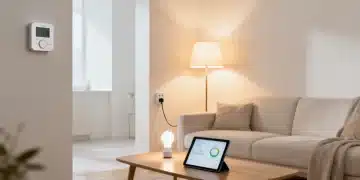
The true power of smart air purifiers is unleashed when they are seamlessly integrated into a broader smart home ecosystem. This integration transforms air purification from a standalone function into a harmonious component of an intelligent living environment, where devices communicate and cooperate to enhance comfort, convenience, and health.
Imagine an air purifier that automatically increases its filtration power when your smart thermostat detects a rise in pollen count, or one that ramps up purification after your smart oven has been used for cooking. This level of interconnectedness is no longer a futuristic concept but a present-day reality, making your home more responsive and protective.
Benefits of Ecosystem Integration
- Centralized Control: Manage your air purifier alongside other smart devices (lighting, heating, security) from a single app or voice command.
- Automated Health Scenarios: Create routines where air purification reacts to specific triggers, such as opening a window, starting a vacuum cleaner, or detecting elevated outdoor pollution levels.
- Enhanced Data Analytics: Combine air quality data with other environmental metrics (temperature, humidity) for a more comprehensive understanding of your home’s health.
- Energy Optimization: Smart purifiers can coordinate with energy management systems to run during off-peak hours or when renewable energy sources are abundant, reducing costs.
The interoperability between different smart home devices, often facilitated by open standards and platforms, allows for a truly personalized and optimized living experience. Your air purifier can become an integral part of a healthy home automation strategy, working in sync with other devices to maintain a pristine environment without constant manual adjustments.
The future of smart living is one where individual devices work together intelligently, anticipating needs and responding dynamically. Integrating smart air purifiers into this ecosystem ensures that clean air is not just a feature, but a foundational element of your connected home, effortlessly managed and consistently maintained.
Choosing the Right Smart Air Purifier for Your Needs
With an increasing array of smart air purifiers available, selecting the right one for your specific needs can seem daunting. However, by focusing on key criteria, you can make an informed decision that ensures optimal air quality and seamless integration into your lifestyle. It’s not just about filtration efficiency, but also about smart features, coverage, and ongoing costs.
Consider the size of the room or area you intend to purify. Air purifiers are rated by their Clean Air Delivery Rate (CADR), which indicates how quickly they can clean a room of a certain size. Ensure the CADR matches or exceeds the requirements for your space to guarantee effective purification. An undersized unit will struggle to keep up, while an oversized one might be an unnecessary expense.
Key Considerations for Selection
- CADR and Room Size: Match the purifier’s capacity to the square footage of your space.
- Filtration System: Look for True HEPA and activated carbon filters for 99.9% filtration of particles and gases.
- Smart Features: Evaluate app control, real-time monitoring, automation capabilities, and voice assistant compatibility.
- Noise Level: Check the decibel rating, especially if the purifier will be used in a bedroom or quiet living area.
- Filter Replacement Costs: Factor in the cost and frequency of filter replacements, as this is an ongoing expense.
- Energy Consumption: Choose models with energy-efficient ratings to minimize electricity bills.
Beyond these technical specifications, consider the design and aesthetics of the unit. Many modern smart air purifiers are designed to blend seamlessly with contemporary home decor, becoming an elegant addition rather than an eyesore. Read reviews and compare different brands to gauge user satisfaction and product reliability.
Ultimately, the best smart air purifier is one that not only meets your air purification needs with 99.9% filtration but also integrates effortlessly into your smart home, providing peace of mind and contributing to a healthier living environment without being a burden. Careful consideration of these factors will lead you to the ideal choice.
Maintenance and Longevity of Your Smart Air Purifier
To ensure your smart air purifier continues to deliver 99.9% filtration and optimal indoor air quality for years to come, regular maintenance is absolutely crucial. These sophisticated devices require more than just plugging them in; they need periodic care to perform at their peak efficiency and extend their lifespan. Neglecting maintenance can significantly reduce effectiveness and even lead to premature failure.
The most important aspect of maintenance involves filter replacement. Smart air purifiers are designed to alert you when filters need changing, typically through an app notification or an indicator light on the device itself. Adhering to these alerts is paramount, as clogged or expired filters lose their ability to capture pollutants, rendering the purifier ineffective.
Essential Maintenance Practices
- Timely Filter Replacement: Follow manufacturer recommendations for changing pre-filters, HEPA filters, and activated carbon filters. This often ranges from every 6-12 months, depending on usage and air quality.
- Regular Cleaning: Periodically wipe down the exterior of the unit and clean the pre-filter (if washable) to prevent dust buildup and maintain airflow.
- Sensor Cleaning: Some smart purifiers have external air quality sensors that can become dusty. Gently clean these as instructed by the manufacturer to ensure accurate readings.
- Firmware Updates: For smart purifiers, regularly check for and install firmware updates, which can improve performance, add new features, and enhance security.
Beyond filter replacements, paying attention to the overall condition of your purifier is important. Listen for unusual noises, check for any obstructions in the air intake or output vents, and ensure the power cord is in good condition. These small checks can prevent larger issues down the line and contribute to the longevity of your investment.
By committing to a routine maintenance schedule, you not only ensure that your smart air purifier operates at its highest efficiency, providing consistently clean air, but you also protect your investment, allowing it to serve your home’s health needs effectively for many years.
The Future of Indoor Air Quality: Innovations by 2026 and Beyond
As we look towards 2026 and beyond, the landscape of indoor air quality management is poised for even greater innovation, with smart air purifiers leading the charge. The advancements will not only enhance filtration capabilities but also integrate more deeply with our health and wellness routines, making clean air an intrinsic part of a truly smart and healthy home. The focus will shift towards predictive analysis and personalized air profiles.
Expect to see even more sophisticated sensor technology, capable of detecting an even wider range of ultrafine particles, viruses, and specific chemical compounds that are currently challenging to monitor. This heightened awareness will allow purifiers to respond with unparalleled precision, targeting specific threats as they emerge, rather than just reacting to general air quality degradation.
Emerging Trends and Technologies
- Hyper-Personalized Air Profiles: Purifiers will learn individual sensitivities (e.g., to pollen, pet dander) and adjust settings to cater to specific family members’ needs.
- Predictive Maintenance with AI: Artificial intelligence will predict filter lifespan based on usage patterns and environmental data, ordering replacements automatically before performance drops.
- Seamless Integration with Health Trackers: Air quality data could integrate with wearables and health apps, offering insights into how indoor air impacts sleep, allergies, and respiratory health.
- Sustainable Filtration Solutions: Development of more eco-friendly and longer-lasting filter materials, reducing waste and environmental impact.
- Advanced Pathogen Neutralization: Enhanced technologies for inactivating airborne viruses and bacteria, crucial for public health and well-being.
The concept of a ‘healthy home network’ will become more prevalent, where air purifiers, humidifiers, dehumidifiers, and ventilation systems work in concert, orchestrated by a central AI, to maintain ideal environmental conditions across all parameters. This holistic approach will ensure not just clean air, but perfectly balanced indoor climates, optimized for human comfort and health.
The future of smart air purifiers is one of continuous evolution, driven by a deep understanding of human health and environmental science. By 2026, these devices will be indispensable guardians of our indoor spaces, ensuring that the air we breathe is consistently pure, personalized, and proactively managed, setting new standards for healthy living.
| Key Aspect | Brief Description |
|---|---|
| Indoor Air Pollution | Invisible threats like PM2.5, VOCs, and allergens significantly impact health, necessitating advanced purification. |
| Smart Purifier Evolution | Beyond basic filtration, smart purifiers offer real-time monitoring, app control, and automation for proactive health. |
| 99.9% Filtration Standard | Achieved through True HEPA and activated carbon, capturing nearly all airborne particles and gases for superior purity. |
| Future Trends | Innovations include AI-driven personalization, predictive maintenance, and deeper integration with health ecosystems. |
Frequently Asked Questions About Smart Air Purifiers
Smart air purifiers integrate connectivity features like Wi-Fi, allowing remote control via apps, real-time air quality monitoring, and automated adjustments based on sensor data. Regular purifiers typically offer manual controls and basic filtration without the intelligent feedback loop.
99.9% filtration, typically achieved with True HEPA and activated carbon filters, means the purifier can capture nearly all airborne particles as small as 0.3 microns, including pollen, pet dander, dust, smoke, and even some bacteria and viruses, significantly enhancing air purity.
Absolutely. By effectively removing common allergens like pollen, dust mites, pet dander, and mold spores from the air, smart air purifiers can significantly reduce triggers for allergy and asthma sufferers, leading to fewer symptoms and improved respiratory comfort.
Filter replacement frequency varies by model and usage, but generally, True HEPA filters last 6-12 months, and activated carbon filters 3-6 months. Smart purifiers usually notify you via their app or on-device indicators when it’s time for a change.
Many smart air purifiers are designed with energy efficiency in mind. Their smart sensors allow them to adjust fan speed and operate only when necessary, minimizing power consumption. Look for Energy Star certified models for optimal energy savings.
Conclusion
The journey towards maintaining optimal indoor air quality is an evolving one, and by 2026, smart air purifiers with 99.9% filtration stand as critical allies in this endeavor. From understanding the insidious nature of indoor pollutants to embracing the advanced capabilities of intelligent filtration systems, the path to a healthier home is clearer than ever. These devices are not merely appliances; they are proactive guardians of our well-being, seamlessly integrating into our smart lives to deliver consistent purity. As technology continues to advance, we can anticipate even more personalized and predictive solutions, ensuring that the air we breathe inside our homes is as clean and healthy as possible, fostering a better quality of life for everyone.