Boost Your Credit: New Financial Literacy Programs (US Edition)

Anúncios
New financial literacy programs in the US offer targeted education and tools for young adults aiming to boost their credit score by 50 points within six months, empowering them with essential financial management skills.
Navigating the complexities of personal finance can be daunting, especially when it comes to building a strong credit score. For many young adults in the United States, understanding how to effectively manage money and improve credit is a critical step towards financial independence. This article delves into the latest
Anúncios
Understanding the Importance of Your Credit Score
Your credit score is more than just a number; it is a vital indicator of your financial health and reliability. It impacts everything from securing a loan for a car or home to renting an apartment or even getting certain jobs. A higher credit score opens doors to better interest rates, more favorable terms, and greater financial opportunities.
In the US, credit scores typically range from 300 to 850, with scores above 700 generally considered good. Lenders use these scores to assess risk, making it crucial for young adults to grasp how their financial behaviors directly influence this critical metric. Understanding the components of your credit score, such as payment history, amounts owed, length of credit history, new credit, and credit mix, is the first step toward strategic improvement.
Anúncios
Components of a FICO Score
- Payment History (35%): Your record of on-time payments. Late payments can severely damage your score.
- Amounts Owed (30%): The total amount of debt you carry, particularly your credit utilization ratio (how much credit you use compared to your total available credit).
- Length of Credit History (15%): The older your accounts, the better, as it shows a consistent history of managing credit.
- New Credit (10%): How often you apply for and open new credit accounts. Too many new accounts in a short period can be a red flag.
- Credit Mix (10%): The variety of credit accounts you have, such as credit cards, installment loans, and mortgages.
These components collectively form the backbone of your credit report, which lenders consult before making approval decisions. Improving any of these areas can lead to a significant boost in your score, paving the way for a more secure financial future. The journey to a better credit score begins with knowledge and a commitment to consistent, responsible financial habits.
The Rise of Targeted Financial Literacy Programs
Traditional financial education often falls short in providing practical, real-world strategies for credit improvement. However, a new wave of financial literacy programs is emerging, specifically designed to address these gaps. These programs often leverage technology, personalized coaching, and a curriculum focused on actionable steps that yield measurable results, such as a 50-point credit score increase in six months.
These initiatives recognize that young adults need more than just theoretical knowledge; they require hands-on guidance and support to implement effective financial strategies. Many programs are now offered through community colleges, non-profit organizations, and even online platforms, making them accessible to a wider audience across the US.
Key Features of Effective Programs
- Personalized Credit Analysis: Many programs start with a detailed review of an individual’s credit report to identify specific areas for improvement.
- Actionable Roadmaps: Participants receive a clear, step-by-step plan to address their credit challenges, including strategies for reducing debt, establishing payment reminders, and understanding credit card terms.
- Expert Guidance: Access to financial counselors or mentors who can provide one-on-one support and answer specific questions.
- Interactive Tools: Use of budgeting apps, credit simulators, and educational modules that make learning engaging and practical.
These modern programs move beyond generic advice, offering tailored solutions that consider an individual’s unique financial situation. By focusing on practical application and measurable outcomes, they empower participants to take control of their financial destiny and achieve tangible improvements in their credit health. The emphasis on personalized learning ensures that the advice is relevant and impactful for each participant.
Strategies for a 50-Point Credit Score Boost in 6 Months
Achieving a 50-point credit score increase in six months is an ambitious but entirely attainable goal with the right strategies and consistent effort. The new financial literacy programs emphasize a multi-pronged approach, focusing on quick wins and sustainable habits that collectively contribute to significant credit improvement. It’s about making smart choices consistently over time.
One of the most immediate impacts comes from addressing payment history. Payment history accounts for the largest portion of your credit score, so making sure all payments are on time is paramount. Setting up automatic payments for bills, especially credit card and loan payments, can prevent missed deadlines and subsequent negative marks on your credit report. Even a single late payment can set back your progress considerably.
Tactical Steps for Rapid Improvement
- Pay Down High-Interest Debt: Focus on reducing balances on credit cards and other revolving credit accounts. Lowering your credit utilization ratio (the amount of credit you use compared to your total available credit) can significantly boost your score. Aim to keep this ratio below 30%, ideally below 10%.
- Become an Authorized User: If a trusted family member has excellent credit and a long, positive payment history, becoming an authorized user on one of their credit cards can add that positive history to your report. Ensure they maintain good habits, as their actions will reflect on your score.
- Dispute Errors on Your Credit Report: Regularly review your credit report for inaccuracies. Errors, such as incorrect late payments or accounts you don’t recognize, can negatively impact your score. Disputing these errors with credit bureaus can lead to their removal and a subsequent score increase.
- Avoid New Credit Applications: While working to improve your score, refrain from opening new credit accounts. Each hard inquiry can temporarily ding your score. Focus on managing existing credit responsibly.
These strategies, when implemented diligently, create a powerful synergy that accelerates credit score growth. Consistency is key, and the structured approach offered by financial literacy programs helps individuals stay on track and monitor their progress effectively. Small, consistent actions lead to substantial long-term gains.
Leveraging Technology and Resources for Credit Improvement
The digital age has brought forth an array of tools and resources that make managing and improving your credit score more accessible than ever. New financial literacy programs often integrate these technological advancements, providing participants with a comprehensive ecosystem for financial growth. From credit monitoring apps to budgeting software, technology can be a powerful ally.
Many free credit monitoring services, such as Credit Karma or Experian, allow you to track your credit score and report changes in real-time. These platforms often provide insights into what factors are affecting your score and offer personalized recommendations for improvement. Utilizing these tools can help you stay informed and proactive about your credit health, identifying potential issues before they escalate.
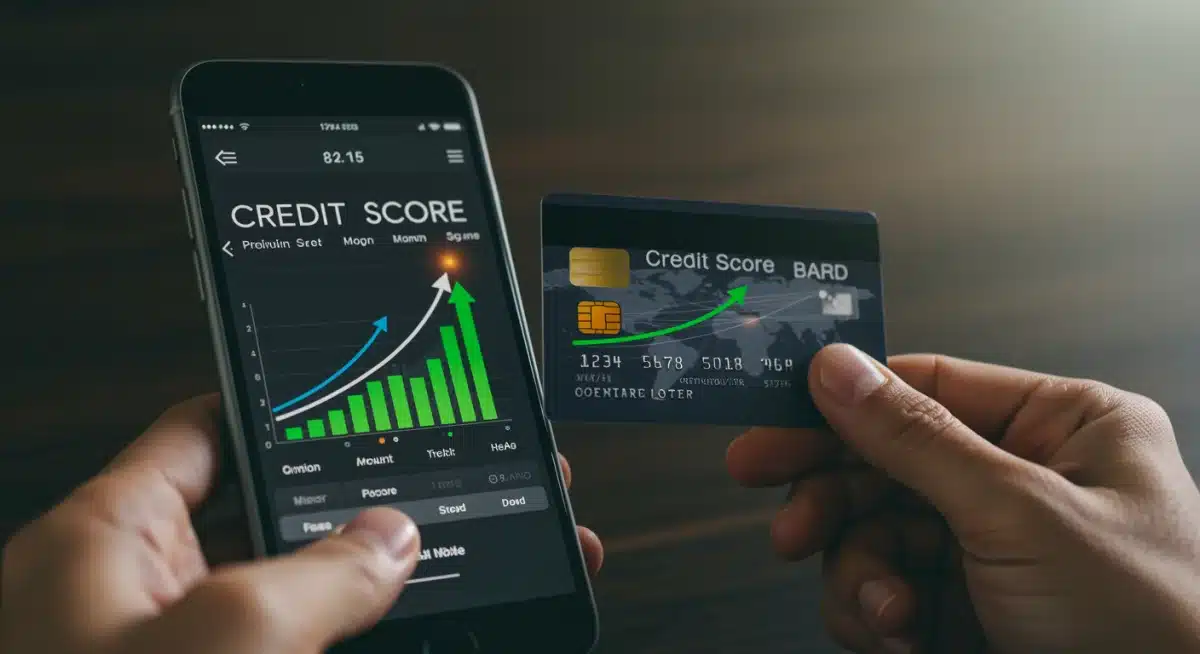
Budgeting apps like Mint or YNAB (You Need A Budget) can also play a crucial role. By helping you track your income and expenses, these apps enable you to identify areas where you can save money, which can then be used to pay down debt or build an emergency fund. A solid budget is the foundation of effective financial management, directly supporting credit improvement efforts.
Beyond apps, many online courses and webinars provide in-depth education on specific financial topics. These resources, often included in new financial literacy programs, offer flexible learning opportunities, allowing individuals to enhance their knowledge at their own pace. The combination of structured programs and readily available digital tools creates a robust framework for credit score enhancement.
Real-Life Success Stories and Testimonials
The impact of new financial literacy programs is best illustrated through the success stories of individuals who have transformed their financial lives. These testimonials not only highlight the effectiveness of these programs but also provide inspiration and practical evidence of what can be achieved with dedication and the right guidance. Hearing about real people achieving their financial goals reinforces the value of these initiatives.
Take Maria, a 24-year-old from Texas, who struggled with a low credit score due to student loan debt and a few missed payments. After enrolling in a local financial literacy program, she learned how to consolidate her debts, set up automatic payments, and strategically pay down her credit card balances. Within five months, her credit score jumped from 580 to 640, enabling her to qualify for a better interest rate on her car loan.
Similarly, David, a 28-year-old entrepreneur in Florida, used a virtual financial coaching program to navigate the complexities of managing business and personal finances. His credit utilization was high, hindering his ability to secure a business loan. The program helped him restructure his debt and improve his payment habits. In just six months, David saw his credit score increase by 55 points, making him eligible for the funding he needed to expand his venture.
These stories underscore the tangible benefits of participating in structured financial literacy education. They demonstrate that with personalized strategies, consistent effort, and expert support, significant credit improvement is not just a theoretical possibility but a practical reality for many. The programs provide the framework, but the commitment of the individual truly brings about the change.
Choosing the Right Financial Literacy Program for You
With an increasing number of financial literacy programs available, selecting the right one can feel overwhelming. It is crucial to choose a program that aligns with your specific financial goals, learning style, and schedule. The best programs offer a blend of comprehensive content, personalized support, and practical application, ensuring you gain the knowledge and skills needed to truly boost your credit score.
Consider programs that are accredited or offered by reputable organizations, such as non-profit credit counseling agencies, community colleges, or established financial institutions. Look for transparent curricula that clearly outline what you will learn and how it will help you achieve your credit improvement goals. Reading reviews and testimonials from past participants can also offer valuable insights into a program’s effectiveness and suitability.
Factors to Consider When Choosing a Program
- Curriculum Focus: Does the program specifically address credit score improvement, budgeting, debt management, and financial planning relevant to your needs?
- Delivery Method: Do you prefer online courses, in-person workshops, one-on-one coaching, or a hybrid approach?
- Cost: Are there fees involved, and do they fit within your budget? Many non-profit organizations offer free or low-cost services.
- Support System: Does the program offer access to financial counselors, mentors, or a community forum for ongoing support and questions?
- Track Record: Look for programs with a proven history of helping participants achieve their financial objectives.
By carefully evaluating these factors, you can make an informed decision and enroll in a program that will genuinely empower you to take control of your financial future. The investment of time and effort in a quality financial literacy program is an investment in your long-term financial well-being and stability.
| Key Point | Brief Description |
|---|---|
| Credit Score Importance | A good credit score is crucial for loans, housing, and financial opportunities in the US. |
| New Literacy Programs | Targeted programs offer practical steps and coaching to boost credit scores significantly. |
| 6-Month Strategy | Focus on timely payments, low utilization, and error disputes for rapid score gains. |
| Tech & Resources | Utilize credit monitoring apps and budgeting software for active financial management. |
Frequently Asked Questions About Credit Score Improvement
With consistent effort and the right strategies, many individuals can see a noticeable increase in their credit score within 3 to 6 months. Some new financial literacy programs specifically target a 50-point boost in six months through focused actions like reducing credit utilization and ensuring on-time payments.
Your payment history is the most crucial factor, accounting for 35% of your FICO score. Making all your payments on time, every time, is fundamental. Missing even one payment can significantly set back your credit improvement efforts, making consistent, timely payments essential for a healthy score.
Yes, absolutely. You can improve your credit score by focusing on managing existing accounts responsibly. This includes reducing your credit utilization, making timely payments, and disputing any errors on your credit report. Sometimes, becoming an authorized user on a trusted individual’s account can also help without opening a new card yourself.
The cost of financial literacy programs varies widely. Many non-profit organizations and community colleges offer free or low-cost workshops and counseling services. There are also premium, personalized coaching programs that come with a fee. It’s important to research and compare options to find one that fits your budget and needs.
It is recommended to check your credit report at least once a year from each of the three major credit bureaus (Experian, Equifax, TransUnion) through AnnualCreditReport.com. Many people also benefit from using free credit monitoring services that provide more frequent updates and alerts, helping them stay on top of any changes or potential fraud.
Conclusion
Boosting your credit score by 50 points in six months is not an impossible feat, thanks to the advent of comprehensive and accessible new financial literacy programs across the United States. These initiatives provide young adults with the essential knowledge, practical tools, and personalized guidance needed to navigate the complexities of personal finance and achieve measurable credit improvement. By understanding the core components of your credit score, committing to diligent financial habits, and leveraging available technological resources, you can unlock a future of greater financial stability and opportunity. Taking the first step towards financial education is an investment that yields significant returns, empowering you to make informed decisions and build a robust financial foundation for life.