Short-Form Audio: Boost Podcast Discoverability 2026
Anúncios
Embracing short-form audio is crucial for podcasters to significantly enhance discoverability on emerging platforms by 2026, demanding strategic adaptation and innovative content delivery for sustained audience engagement.
In the rapidly evolving digital landscape, short-form audio strategy has emerged as a game-changer for content creators. As we look towards 2026, understanding how to effectively leverage this format is not just an advantage, but a necessity for boosting podcast discoverability on new and existing platforms.
Anúncios
The Rise of Short-Form Audio in the Digital Ecosystem
The attention economy continues to shrink, making bite-sized content more appealing than ever. Short-form audio, characterized by its brevity and immediate impact, has capitalized on this trend, providing listeners with quick, digestible insights, entertainment, or news. This shift is not merely a fad; it represents a fundamental change in how audiences consume media, driven by busy lifestyles and the proliferation of mobile devices.
Anúncios
Platforms across the digital spectrum are increasingly prioritizing short-form content, recognizing its power to capture and retain user attention. For podcasters, this presents both a challenge and a monumental opportunity to reach new audiences who might not commit to a full-length episode but are open to a compelling snippet.
Understanding the Audience Shift
Today’s listeners are multi-platform users, often juggling several tasks while consuming media. This behavior fuels the demand for content that can be enjoyed in short bursts, such as during commutes, quick breaks, or while performing other activities. Short-form audio fits seamlessly into these micro-moments, offering instant gratification and easy access without a significant time commitment.
- Increased Accessibility: Short clips are easier to share and consume on the go.
- Lower Barrier to Entry: New listeners can sample content without committing to a full episode.
- Algorithmic Preference: Many platforms favor short, engaging content, leading to higher visibility.
The rise of platforms like TikTok and YouTube Shorts has demonstrated the immense appetite for short-form video, and audio is following suit. Podcasters who adapt their content to this format will find themselves better positioned to thrive in the competitive audio landscape of 2026.
Strategic Content Repurposing for Maximum Impact
Repurposing existing podcast content into short-form audio clips is a highly efficient and effective strategy for increasing discoverability. It allows podcasters to maximize their investment in long-form content by extracting key moments, insights, or humorous segments that can stand alone as compelling pieces. This approach not only saves time but also ensures consistency in messaging and branding across different platforms.
The goal is not simply to cut down an episode but to identify moments that provide value or entertainment on their own. These snippets can then be optimized for various platforms, each with its unique audience and content preferences. Careful selection and editing are crucial to ensure that each short-form piece is engaging and encourages listeners to seek out the full podcast.
Identifying Key Moments for Extraction
Successful repurposing begins with a keen eye (or ear) for impactful content within your full-length episodes. Look for segments that are:
- Insightful: A powerful quote or a concise explanation of a complex topic.
- Humorous: A laugh-out-loud moment or a witty exchange.
- Actionable: A clear piece of advice or a practical tip.
- Controversial: A statement that sparks debate or strong opinions.
These moments, when isolated, can serve as powerful hooks. Think about what would make someone stop scrolling and listen. The best short-form audio clips often leave the listener wanting more, driving them to your primary podcast platform for the full experience.
Optimizing Short-Form Audio for New Discovery Platforms
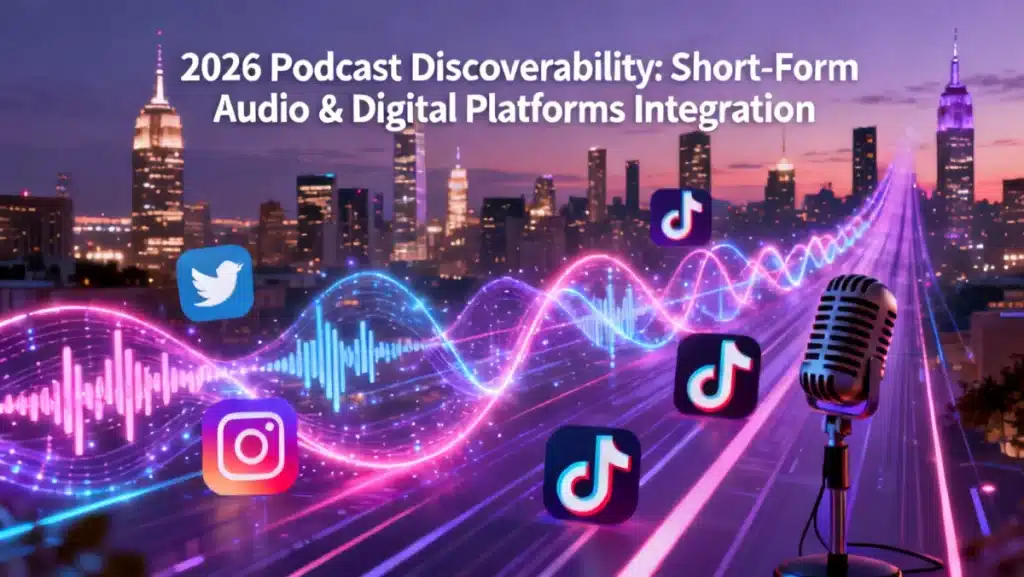
The landscape of audio discovery platforms is constantly evolving. Beyond traditional podcast apps, new social media platforms and audio-centric networks are emerging as critical avenues for reaching new listeners. Optimizing your short-form audio for these diverse environments is paramount for success in 2026.
Each platform has its own nuances, from preferred content length and format to audience demographics and algorithmic structures. A one-size-fits-all approach will fall short. Instead, podcasters must tailor their short-form audio strategy to align with the specific characteristics of each platform, ensuring maximum engagement and discoverability.
Platform-Specific Best Practices
Understanding the unique features of each platform allows for targeted content deployment:
- TikTok/Instagram Reels: Focus on highly visual audio clips, often paired with text overlays or engaging video. Keep clips under 60 seconds.
- YouTube Shorts: Similar to TikTok, but consider leveraging existing YouTube subscriber bases. Use strong thumbnails and compelling titles.
- Spotify Clips/Apple Podcasts Snippets: These are more direct audio excerpts, often used as promotional tools within the podcast ecosystem itself. Focus on high-quality audio and a clear call to action.
- Emerging Audio-Social Apps: Experiment with live audio snippets or interactive elements if the platform supports them.
Furthermore, attention to metadata, including keywords, hashtags, and descriptions, is vital for algorithmic discoverability. A well-optimized clip will be more likely to appear in relevant feeds and recommendations, connecting you with listeners actively searching for content like yours.
Leveraging AI and Automation in Audio Production
The demands of consistently producing high-quality short-form audio can be significant. Fortunately, advancements in artificial intelligence and automation tools are making this process more streamlined and efficient. By integrating AI into your workflow, podcasters can reduce production time, enhance audio quality, and even personalize content at scale, freeing up valuable time for creative endeavors.
From automated transcription services to AI-powered editing suites, these technologies are transforming how audio content is created and distributed. Embracing these tools is not about replacing human creativity but augmenting it, allowing for a more agile and responsive content strategy in 2026.
AI-Powered Tools for Enhanced Workflow
Several AI applications can significantly benefit your short-form audio production:
- Automated Transcription: Quickly convert audio to text, making it easier to identify key segments for repurposing and generate captions.
- AI-Assisted Editing: Tools that can automatically remove filler words, improve sound quality, and even suggest optimal cut points.
- Content Recommendation Engines: AI can analyze your long-form content to highlight potential short-form segments based on engagement patterns.
- Personalized Audio Generation: While still nascent, AI can generate personalized audio snippets based on user preferences, offering a glimpse into future customization.
The strategic implementation of AI and automation allows podcasters to maintain a high volume of quality short-form content without being overwhelmed by manual tasks. This efficiency is critical for staying competitive and consistently engaging with audiences across multiple platforms.
Building Community and Engagement Through Short-Form Audio
Short-form audio isn’t just a discovery tool; it’s also a powerful mechanism for fostering community and deepening listener engagement. By offering frequent, concise touchpoints, podcasters can maintain a continuous dialogue with their audience, building loyalty and encouraging interaction. These smaller pieces of content can serve as conversation starters, polls, or direct calls to action, transforming passive listeners into active community members.
The interactive nature of many new platforms, combined with the immediate accessibility of short-form audio, creates fertile ground for real-time engagement. Podcasters can use these interactions to gather feedback, conduct mini-Q&As, or simply connect with their audience on a more personal level, strengthening the bond between creator and listener.
Interactive Strategies for Audience Connection
To maximize community building with short-form audio, consider these approaches:
- Q&A Snippets: Answer listener questions in short audio clips, directly addressing their interests.
- Polls and Surveys: Use short audio to pose questions and gather opinions, making listeners feel heard.
- Behind-the-Scenes Glimpses: Offer quick, exclusive audio insights into your creative process or upcoming episodes.
- Listener Shout-outs: Feature listener comments or questions in short audio segments, making them feel part of the show.
These interactive elements not only boost engagement but also provide valuable insights into your audience’s preferences, informing your future content strategy. Building a vibrant community around your podcast through short-form audio can lead to increased organic growth and a more dedicated listener base.
Measuring Success and Adapting Your Strategy for 2026
In the dynamic world of digital content, simply producing short-form audio is not enough; measuring its impact and continuously adapting your strategy are crucial for sustained success. By 2026, data-driven decision-making will be more important than ever, allowing podcasters to fine-tune their approach based on real audience behavior and platform performance.
Understanding which types of short-form audio resonate most with your audience, on which platforms, and at what times, provides invaluable insights. This continuous feedback loop enables you to optimize your content, improve discoverability, and maximize return on investment for your efforts.
Key Metrics for Short-Form Audio Success
Focus on these metrics to gauge the effectiveness of your short-form audio strategy:
- Listen-Through Rate: How many listeners complete the entire short clip?
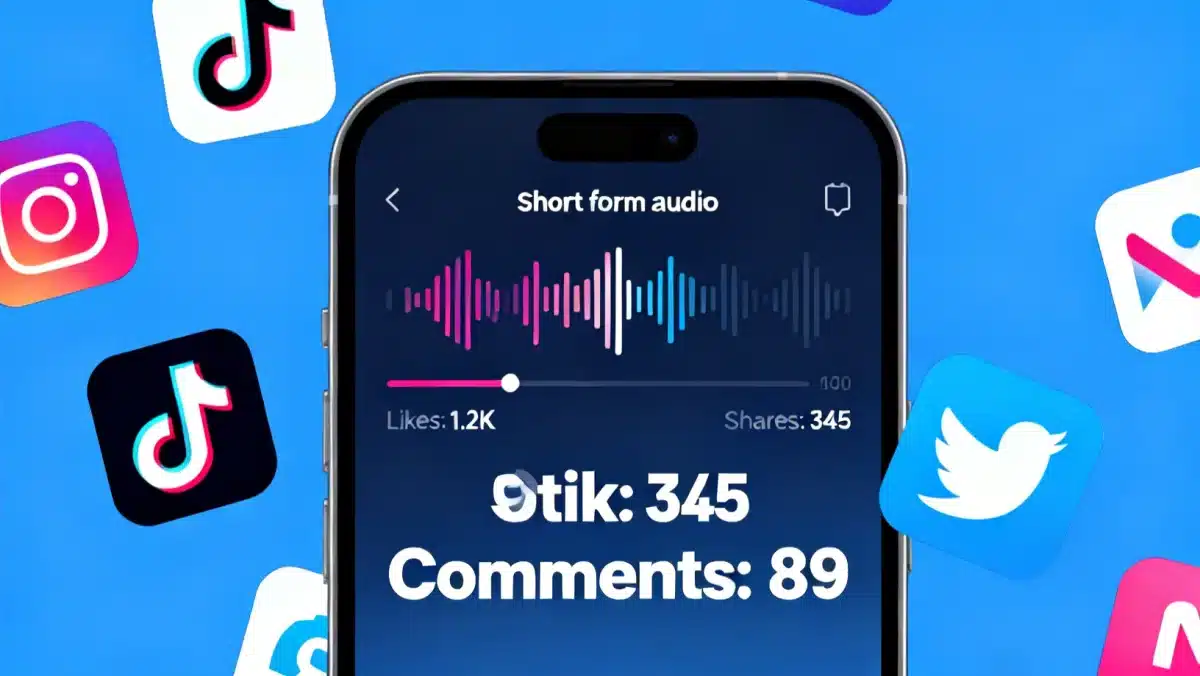
- Engagement Rate: Likes, shares, comments, and saves per clip.
- Click-Through Rate (CTR): How many listeners click through to your full podcast or profile?
- Follower Growth: The increase in followers directly attributable to short-form content.
- Audience Demographics: Understanding who is engaging with your short-form content on different platforms.
Tools for analytics vary by platform, but most provide basic engagement data. Consolidating this information and looking for patterns will help you identify what works and what doesn’t. Regularly reviewing these metrics and being prepared to pivot your content or distribution strategy ensures that your short-form audio remains effective and relevant in the evolving digital landscape.
| Key Strategy | Brief Description |
|---|---|
| Content Repurposing | Extracting valuable segments from long-form podcasts for short, engaging clips. |
| Platform Optimization | Tailoring short-form audio for specific platforms like TikTok, YouTube Shorts, and Spotify Clips. |
| AI & Automation | Utilizing AI tools for transcription, editing, and content recommendation to streamline production. |
| Engagement Building | Using short audio for Q&As, polls, and interactive content to foster community. |
Frequently Asked Questions About Short-Form Audio
Short-form audio refers to brief, concise audio clips, typically under 2-3 minutes, extracted from longer podcast episodes or created specifically for quick consumption. These snippets are designed to be highly engaging and easily shareable across various digital platforms, serving as promotional tools or standalone content.
By 2026, listener attention spans are shorter, and new platforms prioritize bite-sized content. Short-form audio allows podcasters to reach audiences in micro-moments, offering a low-commitment entry point to their content, significantly boosting visibility and attracting new subscribers who might not initially engage with full-length episodes.
Podcasters should prioritize platforms where short, engaging content thrives, such as TikTok, Instagram Reels, and YouTube Shorts for visual-audio integration. Additionally, dedicated audio platforms like Spotify and Apple Podcasts are increasingly offering features for sharing snippets, making them crucial for reaching existing and potential listeners.
AI and automation can streamline the process significantly. Tools can transcribe audio, identify key moments for clips, enhance sound quality, and even assist with editing. This reduces manual effort, allowing podcasters to produce more consistent, high-quality short-form content efficiently, and focus on creative aspects.
Measuring success involves tracking metrics like listen-through rates, engagement (likes, shares, comments), click-through rates to full episodes, and follower growth on various platforms. Analyzing these data points helps identify effective content and platforms, allowing for continuous optimization of your short-form audio strategy.
Conclusion
As we navigate towards 2026, the strategic integration of short-form audio into a podcast’s overall content strategy is no longer optional but essential for enhancing discoverability and fostering deeper audience connections. By repurposing content, optimizing for diverse platforms, leveraging AI, and actively engaging with communities, podcasters can unlock unprecedented growth. The future of podcasting is dynamic, and embracing these innovative approaches will ensure your voice is heard amidst the evolving digital soundscape.